Enquiry Now :  +91 8729000609, +91 7888398911 |
 info@plenumbiotech.com

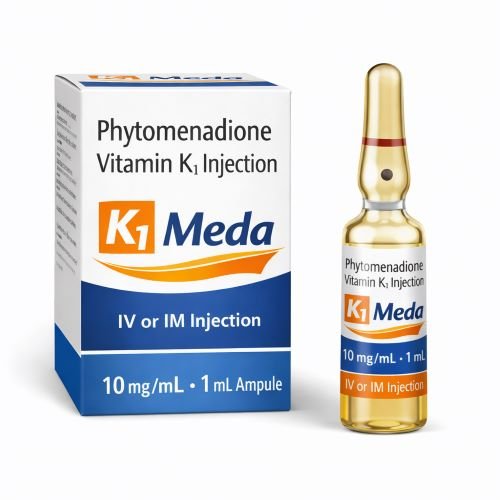
Phytomenadione Vitamin K1 Injection | K1-Meda
✔ WHO-GMP Certified Facility✔ 3000+ Products✔ 15+ Years Experience✔ Monopoly PCD Rights
What is Phytomenadione Vitamin K1 Injection?
K1-Meda is a brand name of Vitamin K1 Injection is used to treat vitamin K deficiency and helps manage conditions caused by low levels of vitamin K in the body. It is an essential nutrient that plays a vital role in blood clotting and bone metabolism. You can safely purchase Vitamin K1 Injection.
Uses of Vitamin K1 Injection
- Vitamin K Deficiency: Vitamin K 1 mg Injection is a vitamin supplement used to treat conditions caused by low levels of vitamin K in the body. Vitamin K is an essential nutrient required for proper blood clotting and bone metabolism. This injection helps treat and prevent unusual bleeding by increasing the production of blood-clotting factors in the body.
- It also helps in reversal of Anticoagulant overdose
- Manages hypoprothrombinemia caused by liver disease, malabsorption, or prolonged antibiotic therapy.
- Helps treat bleeding disorders resulting from the prolonged use of certain medications.
Precautions and Side Effects of Phytomenadione Vitamin K1 Injection
- Alcohol: Avoid consuming alcohol while taking Vitamin K1 Injection, as it may cause adverse effects.
- Pregnancy: If you are pregnant or planning to become pregnant, do not use this injection without a prescription. Your healthcare provider will evaluate the potential benefits and risks and prescribe the appropriate dosage if required.
- Kidney or Liver Disease: If you have kidney or liver disease, or a history of these conditions, use this injection only under medical supervision and with a valid prescription.
- Allergic Reactions: Do not take Phytomenadione Injection if you are allergic to any of its ingredients without first consulting your doctor.
Side Effects:
- Pain
- Swelling
- Redness
Frequently Asked Questions (FAQs) about K1-Meda
What is K1-Meda injection?
K1-Meda is an injectable preparation of phytomenadione, the natural form of vitamin K1. It is given by a healthcare professional when the body needs vitamin K quickly to restore normal blood clotting.
How does phytomenadione in K1-Meda work?
The liver needs vitamin K to produce several clotting proteins, including factors II, VII, IX and X. Phytomenadione supplies this vitamin so the liver can make these factors again, which gradually corrects a prolonged clotting time.
What conditions is K1-Meda used for?
It is used for bleeding or a raised risk of bleeding caused by low vitamin K activity. Examples include excess effect of warfarin-type anticoagulants, poor vitamin K absorption, long antibiotic courses and prevention of vitamin K deficiency bleeding in newborns, as decided by the doctor.
Can K1-Meda reverse the effect of warfarin?
Yes, phytomenadione counteracts coumarin anticoagulants such as warfarin and acenocoumarol. The doctor chooses the amount carefully, because too much can make it hard to re-establish anticoagulation later. It does not reverse heparin or the newer direct oral anticoagulants.
How is K1-Meda given?
It is given as an injection by a doctor or nurse, usually into a vein or muscle depending on the clinical situation. Intravenous doses are given slowly under observation. The route, dose and number of doses are decided by the treating doctor.
How quickly does phytomenadione start working?
It does not act instantly, because the liver must first build new clotting factors. Improvement in clotting tests is usually seen over several hours. In life-threatening bleeding, doctors may also use other treatments alongside it.
What pack size is K1-Meda available in?
K1-Meda is listed in a 10 MG pack presentation. Please check the product label or carton for the exact fill volume and pack details.
Does K1-Meda need to be taken with food?
No. As an injection, it is not linked to meal timing. Patients can generally follow their usual diet unless the doctor advises otherwise.
What are the common side effects of K1-Meda?
Some people notice pain, swelling or redness at the injection site, flushing, or a change in taste. These are usually mild and short-lived. Tell the nurse or doctor about any discomfort during or after the injection.
What serious reactions should I watch for after a vitamin K1 injection?
Rarely, serious allergic reactions can occur, especially when it is given into a vein. Breathing difficulty, chest tightness, fainting, a fast or weak pulse, or swelling of the face or throat need urgent medical help. This is why intravenous doses are given slowly in a monitored setting.
Who should not receive K1-Meda?
It should not be given to anyone with a known allergy to phytomenadione or any ingredient in the injection. Patients who must stay on long-term anticoagulants should have the dose chosen carefully by their doctor.
Is K1-Meda safe in pregnancy and breastfeeding?
Vitamin K1 is used in pregnancy and breastfeeding only when the doctor considers it necessary. Tell the doctor if you are pregnant, planning pregnancy or breastfeeding so the benefits and risks can be weighed.
Can K1-Meda be used in newborns and children?
Phytomenadione is commonly used in newborns to prevent vitamin K deficiency bleeding, and it may be used in older children for clotting problems. The dose for babies and children is set by the paediatrician based on age and weight.
Can people with liver disease receive phytomenadione?
It may be given, but the response can be weaker because a damaged liver may not make clotting factors well even with enough vitamin K. The doctor will monitor clotting tests and decide whether other treatment is needed.
Which medicines can interact with K1-Meda?
Phytomenadione directly opposes warfarin-type anticoagulants. Some antibiotics, anticonvulsants and fat-absorption medicines can lower vitamin K levels and change the response. Always tell the doctor about every medicine and supplement you use.
Should I avoid alcohol while being treated with vitamin K1?
It is sensible to avoid alcohol during treatment, as heavy drinking can affect the liver and clotting. Ask your doctor for advice specific to your condition.
What happens if a dose of K1-Meda is missed?
This injection is given by healthcare staff, so missed doses are unlikely. If a scheduled dose was not given, the doctor will decide whether to give it and when to recheck clotting tests.
How should K1-Meda be stored?
Store the injection as per the label, generally below 30 degrees Celsius and protected from light, since phytomenadione is light-sensitive. Do not freeze it and keep it out of the reach of children.
Is K1-Meda available for PCD pharma franchise?
Yes, K1-Meda is part of Plenum Biotech’s Plenum Intensive injectable range. For PCD franchise or monopoly enquiries, please call +91-8729000609.
Can hospitals and distributors order K1-Meda in bulk?
Hospitals, pharmacies and distributors can contact Plenum Biotech for supply and availability of K1-Meda. Reach the team on +91-8729000609 for trade enquiries.
Explore range: Injectables | PCD Pharma Franchise with Plenum Biotech
Learn more about the ingredients: Phytomenadione (Wikipedia)
Want PCD Franchise / Monopoly for K1-Meda?
Join Plenum Biotech — WHO-GMP quality range, promotional support and monopoly rights in your area.