Enquiry Now :  +91 8729000609, +91 7888398911 |
 info@plenumbiotech.com

Fenbendazole 3 gm Bolus | Fentick
✔ WHO-GMP Certified Facility✔ 3000+ Products✔ 15+ Years Experience✔ Monopoly PCD Rights
Fenbendazole 3 gm Bolus | Fentick – Effective Anthelmintic for Livestock
Parasitic infestations are a major concern in livestock management, affecting the health, productivity, and overall well-being of animals. Fentick, a Fenbendazole 3 gm bolus, is a highly effective anthelmintic formulated to combat gastrointestinal parasites, liver flukes, and lungworms in cattle, buffalo, sheep, and goats. With its safe and potent action, Fentick ensures healthier livestock and improved productivity.
What is Fentick?
Fentick is a veterinary bolus containing Fenbendazole 3 gm, a broad-spectrum anthelmintic belonging to the benzimidazole class. Fenbendazole works by interfering with the energy metabolism of parasites, leading to their elimination from the host’s body.
Key Features:
- Broad-Spectrum Anthelmintic: Effective against roundworms, tapeworms, lungworms, and liver flukes
- 3 gm Bolus Formulation: Ensures accurate dosing for adult livestock
- Safe and Reliable: Suitable for cattle, buffalo, sheep, and goats
- Improves Productivity: Reduces parasite burden and improves weight gain, milk yield, and overall health
Fentick provides a convenient and potent solution for routine deworming and parasite management in livestock.
Key Benefits of Fentick
1. Controls Gastrointestinal Parasites
Fentick effectively eliminates roundworms, stomach worms, and intestinal worms, reducing the risk of weight loss, diarrhea, and poor growth.
2. Prevents Liver Fluke Infestation
Liver flukes are common in grazing animals and can cause severe liver damage. Fenbendazole targets these parasites, maintaining liver health and metabolic efficiency.
3. Supports Respiratory Health
Lungworms can compromise the respiratory system in livestock. Fentick treats and prevents lungworm infestations, promoting better breathing and oxygen utilization.
4. Improves Productivity
By reducing parasite load, animals experience better nutrient absorption, weight gain, and improved milk production in dairy livestock.
5. Convenient and Easy Administration
The bolus form ensures precise dosing and is easy to administer to adult animals. It provides a long-lasting effect with minimal stress to the animal.
How Fentick Works
Fenbendazole, the active ingredient in Fentick, works by:
- Binding to Parasite Microtubules: Disrupts the formation of microtubules, essential for parasite survival
- Blocking Energy Metabolism: Prevents parasites from absorbing nutrients, leading to their death
- Eliminating Parasites: Expelled naturally through feces, reducing parasite burden in the animal
- Broad-Spectrum Action: Targets a wide range of internal parasites including nematodes, cestodes, and trematodes
This mechanism ensures effective control of parasitic infections while being safe for the host animal.
Who Can Benefit from Fentick?
Fentick is suitable for:
- Cattle and Buffalo: Controls gastrointestinal worms, liver flukes, and lungworms
- Sheep and Goats: Prevents weight loss and improves growth by eliminating intestinal parasites
- Dairy Animals: Enhances milk production and overall health
- Grazing Animals: Protects against parasitic infestations common in pasture-fed livestock
Regular deworming with Fentick helps maintain healthier, more productive animals.
Dosage and Administration
- Administer the bolus orally using a suitable bolus gun or by hand as recommended by a veterinarian
- Cattle and Buffalo: 1 bolus (3 gm) per adult animal
- Sheep and Goats: Consult a veterinarian for species-specific dosing
- Ensure clean water and feed are available after administration
- For effective parasite control, repeat dosing as per veterinary advice or herd health schedule
Safety and Precautions
- Generally Safe: Fenbendazole has a wide safety margin in livestock
- Pregnancy: Safe in pregnant and lactating animals when administered as directed
- Avoid Overdose: Overdosing may lead to mild gastrointestinal upset, although Fenbendazole is well-tolerated
- Veterinary Consultation: Recommended for young, sick, or severely debilitated animals
- Storage: Keep in a cool, dry place away from direct sunlight
Advantages of Fentick
- Broad-Spectrum Parasite Control: Effective against multiple internal parasites
- High Potency 3 gm Bolus: Ensures accurate dosing for adult livestock
- Improves Animal Productivity: Promotes weight gain, milk yield, and overall health
- Convenient Administration: Bolus form ensures ease of use
- Safe for All Livestock: Suitable for cattle, buffalo, sheep, and goats
Importance of Deworming in Livestock
Parasitic infestations are a common problem in livestock farming and can cause:
- Poor growth and weight loss
- Reduced milk and meat production
- Weak immunity and susceptibility to infections
- Fertility and reproductive issues
Regular use of Fentick as part of a herd health program reduces the prevalence of parasitic infections, improves productivity, and ensures overall livestock well-being.
Farmer and Veterinarian Experiences
Farmers using Fentick report:
- Rapid elimination of gastrointestinal worms
- Healthier animals with improved growth and milk yield
- Reduced vet visits due to parasite-related illnesses
- Cost-effective and easy-to-administer solution for herd health
Veterinarians recommend Fentick for its efficacy, broad-spectrum activity, and safety, making it a reliable choice for routine deworming programs.
Conclusion
Fentick, a Fenbendazole 3 gm bolus, is a safe, effective, and convenient anthelmintic for livestock. It controls gastrointestinal worms, liver flukes, and lungworms, improving animal health, growth, and productivity.
Regular use of Fentick in herd management ensures healthier animals, reduces disease burden, and maximizes productivity in dairy and meat production. Its broad-spectrum activity, high safety margin, and easy-to-administer bolus form make it a trusted solution for livestock owners and veterinarians.
Choose Fentick for effective parasite control and healthier, more productive livestock.
Frequently Asked Questions (FAQs) about Fentick
What is Fentick bolus?
Fentick is a veterinary bolus containing fenbendazole 3 gm. Fenbendazole is a benzimidazole dewormer used to control internal parasites in livestock. It should be used as directed by a veterinarian.
How does fenbendazole 3 gm work in the animal’s gut?
Fenbendazole binds to a protein called tubulin in worm cells, which blocks their ability to absorb nutrients. The worms slowly starve and are passed out of the body. It also has some action against worm eggs and larvae.
What types of worms does Fentick target?
Fenbendazole is active against many gastrointestinal roundworms, lungworms and some tapeworms in ruminants. Its activity against liver flukes is limited at standard doses, so a vet may recommend a different product for fluke problems. A dung examination helps guide the choice.
Which livestock is Fentick suitable for?
The 3 gm strength is a large-animal bolus mainly used in adult cattle and buffalo. Sheep and goats need much lower, weight-based doses. The veterinarian decides the right amount for each animal.
How do I give Fentick to an animal?
Place the bolus at the back of the tongue, preferably with a balling gun, and allow the animal to swallow. Do not force the head up excessively. Observe the animal briefly to ensure the bolus has been swallowed.
Should Fentick be given before or after feeding?
Follow your veterinarian’s advice on feeding around deworming time. Some vets suggest keeping routines simple and giving the bolus around normal feeding time. Water should always be available.
Are there side effects with Fentick?
Fenbendazole is generally well tolerated in livestock at recommended doses. Occasionally there may be mild, short-lived loss of appetite or loose dung. Consult a vet if signs persist.
What symptoms after Fentick dosing are serious?
Call a veterinarian for severe or persistent diarrhoea, bloat, weakness, breathing difficulty or collapse. Coughing during dosing may mean the bolus was misdirected. Any sudden worsening needs prompt attention.
Can pregnant animals receive Fentick?
Fenbendazole is generally regarded as having a good safety margin, including in many pregnant animals. However, the timing and need should still be decided by a veterinarian. Share pregnancy status before dosing.
Do I need to discard milk or delay slaughter after Fentick?
Yes, milk and meat from treated animals should not be used for human consumption until the withdrawal period is over. The exact period depends on species and regulations. Follow the label and your veterinarian’s directions.
Who should be careful when using Fentick?
Use care in very young, sick, weak or underweight animals, and get advice for lactating dairy animals because of milk withdrawal. The large 3 gm dose is not suitable for small animals without proper calculation. Do not use in humans or pets.
Does Fentick interact with other drugs?
Some medicines may change how fenbendazole is processed in the body. Giving several dewormers together without a plan is not recommended. Tell your vet about other treatments before using Fentick.
How is the correct Fentick dose worked out?
The dose depends on the animal’s body weight and the parasite problem. The veterinarian will advise how much of a bolus or how many boluses are needed. Under-dosing can encourage worm resistance.
How often should livestock be dewormed with Fentick?
The interval depends on age, grazing, season and parasite pressure on the farm. Your veterinarian can design a schedule, sometimes based on dung tests. Avoid unnecessary repeated dosing.
What should I do if a Fentick dose is missed?
Give the missed dose when you remember, at the correct weight-based amount. Do not double up. Check with your vet about the timing of the next treatment.
How should Fentick be stored?
Store in a cool, dry place away from sunlight and moisture, in the original packing. Keep out of reach of children and pets. Do not use expired boluses.
Is Fentick sold on prescription?
Fentick is not marked as prescription-only in this listing. It should nevertheless be used as directed by a veterinarian for correct dosing and withdrawal times. Follow local regulations.
How is Fentick different from Fentick-IV?
Fentick contains fenbendazole alone, while Fentick-IV also contains ivermectin. The added ivermectin covers some additional parasites, including certain external ones. A veterinarian can advise which suits a particular situation.
Can I take up Fentick for PCD pharma franchise?
Yes, Fentick is part of Plenum Biotech’s veterinary range for PCD pharma franchise. For franchise or monopoly enquiries, call +91-8729000609.
How can veterinary distributors stock Fentick?
Distributors, stockists and veterinary pharmacies can contact Plenum Biotech for supply and pack information. Call +91-8729000609 for orders.
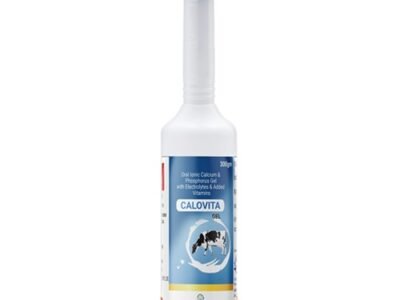
Related products: Veterinary Liver Tonic | Plenliv | Veterinary Enzyme Digestive Appetizer Syrup | Zymoherb | Calcium Ionic Gel | Calovita-Gel
Explore range: Veterinary Range | PCD Pharma Franchise with Plenum Biotech
Learn more about the ingredients: Fenbendazole (Wikipedia)
Want PCD Franchise / Monopoly for Fentick?
Join Plenum Biotech — WHO-GMP quality range, promotional support and monopoly rights in your area.