Enquiry Now :  +91 8729000609, +91 7888398911 |
 info@plenumbiotech.com

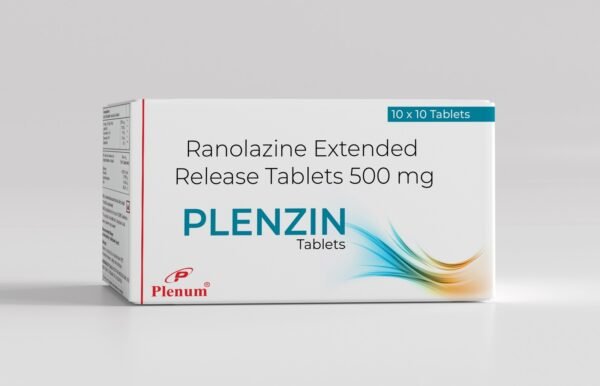
Ranolazine Sustained Release Tablet | Plenzin
✔ WHO-GMP Certified Facility✔ 3000+ Products✔ 15+ Years Experience✔ Monopoly PCD Rights
Ranolazine tablet belongs to the group of medicines called Antianginals. It is helpful in treatment of chronic angina. It works by inhibitng the entry of sodium and potassium into heart cells, that prevents the calcium influx causing vasodilation and reduces ventricular tension, myocardial oxygen demand that helps in relieving angina symptoms.
What are Ranolazine Sustained Release Tablet ?
Plenzin is a brand name of Ranolazine Sustained Release Tablet belongs to the group of medicines called Antianginals. It is helpful in treatment of chronic angina. It works by inhibitng the entry of sodium and potassium into heart cells, that prevents the calcium influx causing vasodilation and reduces ventricular tension, myocardial oxygen demand that helps in relieving angina symptoms.
Angina pectoris is defined as a sudden, sharp and severe chest pain that starts from the apex of heart and goes to the left shoulder. It is characterized by the presence of severe and crushing pain along with felling of pressure and suffocation specially behind the breastbone.
Uses of Ranolazine Sustained Release Tablet
Ranolazine tablet are primarily used to treat chronic angina, a condition characterized by chest pain or discomfort due to reduced blood flow to the heart. Here are the main uses of Ranolazine:
Chronic Stable Angina: Ranolazine tablet is helpful in treatment of chronic stable angina in adults. It is used as an additional therapy when other medicine such as beta blockers, calcium channel blockers, or nitrates does not provide relief or are not well tolerated.
Angina Management: It is helpful in reducing the frequency of angina episodes and improve exercise tolerance in individuals with chronic stable angina. It reduces the demand of oxygen in the heart muscles thereby reducing chest pain.
Long-Term Treatment: Ranolazine is suitable for long-term use, and its sustained-release formulation allows for twice-daily dosing, providing continuous symptom relief.
Precautions of Ranolazine Sustained Release Tablet
Ranolazine sustained-release tablets (500 mg) are a prescription medicine used to treat chronic angina (chest pain) in certain patients. While taking any medication, it’s important to follow the instructions provided by your healthcare provider and adhere to the prescribed dosage. Here are some general precautions to consider when taking Ranolazine:
Allergic reactions: If you are known allergy to Ranolazine tablet or any of its ingredients, inform your healthcare. Allergic reactions might include symptoms such as rash, itching, swelling, severe dizziness, or difficulty breathing. Seek immediate medical attention if you experience any signs of an allergic reaction.
Heart rhythm changes: Ranolazine tabletcan affect the electrical activity of the heart, leading to QT prolongation, which may cause serious irregular heartbeats. Inform your healthcare provider if you have a history of QT prolongation or if you are taking other medications that can prolong the QT interval (such as certain antibiotics or antifungal medications). Your doctor may monitor your heart rhythm with electrocardiograms (ECGs) periodically.
Pregnancy and breastfeeding: If you are pregnant, planning to become pregnant, or breastfeeding, discuss the risks and benefits of using Ranolazine with your doctor. It is important to weigh the potential benefits against the possible risks to both the mother and the baby.
Side effects of Ranolazine Sustained Release Tablet
- Nausea, vomiting
- Constipation
- Dizziness
- Headache
- Weakness
- Altered sensation
- Anxiety
- Difficulty sleeping
- Confusion
- Hallucination
- Blurred vision, visual disturbance
- Changes in sensation (touch or taste)
Remember, these precautions are general guidelines, and it is crucial to consult your healthcare provider or pharmacist for specific advice tailored to your individual circumstances before starting any new medication.
Frequently Asked Questions (FAQs) about Plenzin
What is Plenzin?
Plenzin is a sustained-release tablet containing Ranolazine, an anti-anginal medicine. It is used for long-term management of chronic stable angina. It is a prescription product in Plenum Biotech’s cardiac range.
How does ranolazine relieve angina?
Ranolazine reduces the late sodium current in heart muscle cells. This lowers sodium and calcium overload in the cells, helping the heart muscle relax better and use oxygen more efficiently. Unlike many angina medicines, it has little effect on heart rate or blood pressure.
What is Plenzin used for?
Ranolazine is used in adults with chronic stable angina, usually added to other angina medicines such as beta blockers, calcium channel blockers or nitrates. It helps reduce how often angina episodes occur. The doctor decides whether it fits the treatment plan.
Can Plenzin be used to stop an angina attack that is already happening?
No, ranolazine is for regular preventive use and does not relieve an attack in progress. Use the fast-acting medicine your doctor has prescribed for acute chest pain. Seek emergency help if chest pain is severe or does not settle.
Why is Plenzin a sustained-release tablet?
The sustained-release design releases ranolazine slowly over many hours, keeping blood levels steady. For this reason the tablet must be swallowed whole and never crushed, broken or chewed. Damaging the tablet can release too much drug at once.
How should Plenzin be taken with respect to meals?
Ranolazine sustained-release tablets can be taken with or without food, usually at regular times each day. Swallow with water. Avoid grapefruit juice, which can raise ranolazine levels.
What dose of ranolazine will I need?
The doctor decides the starting dose and any later changes based on response, other medicines and kidney or liver function. Do not adjust the dose yourself. Regular follow-up is important.
What are the common side effects of Plenzin?
Common side effects include dizziness, headache, constipation, nausea and weakness. These are often mild. Tell your doctor if they are troublesome or persistent.
What serious effects of ranolazine need urgent medical attention?
Seek urgent care for fainting, a fast or irregular heartbeat, severe dizziness or signs of allergy such as facial swelling or breathing difficulty. Reduced urine output or swelling may indicate kidney problems. Unusual tremor or confusion should also be reported.
Does ranolazine affect the heart rhythm?
Ranolazine can slightly lengthen the QT interval on an ECG. It is used cautiously in people with heart rhythm disorders or those on other QT-prolonging medicines. Your doctor may arrange an ECG.
Who should not take Plenzin?
Ranolazine is not used in people with cirrhosis of the liver, or with certain strong medicines that markedly raise or lower its levels. People with severe kidney impairment also need special consideration. Your doctor will review your conditions and medicines first.
Which medicines interact with ranolazine?
Strong enzyme inhibitors such as ketoconazole or clarithromycin can raise ranolazine levels, while rifampicin and some anti-seizure medicines can lower them. Ranolazine can increase levels of drugs such as digoxin, simvastatin and metformin. Always show your full medicine list to the doctor or pharmacist.
Can I drive while taking Plenzin?
Ranolazine can cause dizziness or blurred vision in some people. Avoid driving or using machinery until you know how it affects you. Report persistent dizziness to your doctor.
Is alcohol allowed with Plenzin?
Alcohol can add to dizziness and may affect heart and blood pressure control. It is advisable to limit or avoid alcohol. Ask your doctor about safe intake.
Is Plenzin suitable during pregnancy or breastfeeding?
There is limited information on ranolazine in pregnancy and breastfeeding, so it is generally avoided unless a doctor decides otherwise. Inform your doctor if you are pregnant, planning pregnancy or nursing. Do not take it without advice.
Can elderly patients or children take ranolazine?
Elderly patients may be more prone to side effects and kidney changes, so they need careful monitoring. Ranolazine is not intended for children. The doctor decides suitability.
What should I do if I miss a dose of Plenzin?
If you miss a dose, take the next one at the usual time. Do not take two doses together to make up. Contact your doctor if you miss several doses.
How should Plenzin tablets be stored?
Store below the temperature stated on the pack in a dry place, away from direct light. Keep the tablets in the original strip until use. Keep out of reach of children.
Is a prescription required for Plenzin?
Yes, Plenzin is a prescription medicine and should be used only on the prescription of a registered medical practitioner. Angina needs proper diagnosis and regular review. Never start or stop it on your own.
Is Plenzin available for PCD pharma franchise or monopoly?
Yes, Plenzin is part of Plenum Biotech’s cardiac and diabetic range. For PCD franchise or monopoly enquiries, call +91-8729000609.
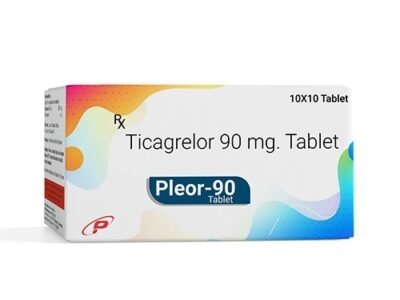
Related products: Atorvastatin Calcium Tablets 20 MG | Atvastin-20 | Propranolol Hydrochloride Sustained Release Tablets 40 Mg | Napnol LA 40 | Ticagrelor Tablet | Pleor 90
Explore range: Cardiac/ Diabetic Range | PCD Pharma Franchise with Plenum Biotech
Learn more about the ingredients: Ranolazine (Wikipedia)
Want PCD Franchise / Monopoly for Plenzin?
Join Plenum Biotech — WHO-GMP quality range, promotional support and monopoly rights in your area.